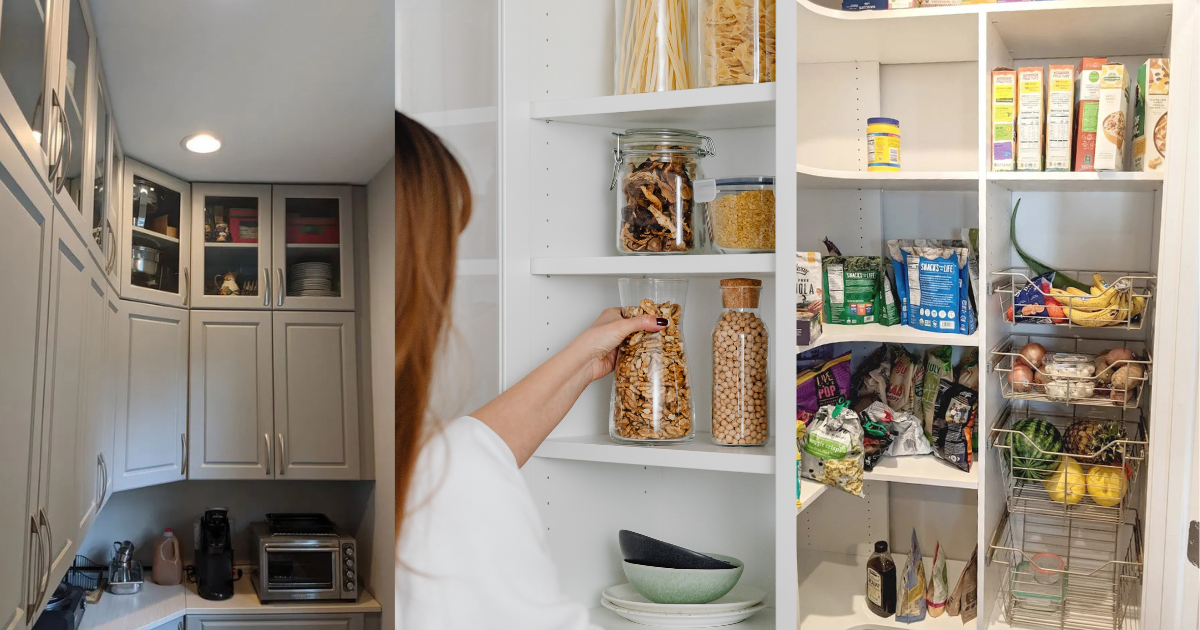
Many homeowners struggle with tight or deep pantry spaces. That’s where pull-out shelves for kitchen pantry use come in handy. They help you see what you have and avoid waste. You can group items by type and find them fast.
With the right setup, kitchen pantry organizers can also boost your storage space. You don’t need a bigger pantry. You just need smarter shelving that works for your daily routine.
Why Size Matters?
Choosing the right shelf size is more important than it seems. A perfect fit ensures your pantry works better every day. If your kitchen pantry pull-out shelves are too small, you waste space. If they’re too big, they won’t slide smoothly or fit at all.
Most kitchen pantries have common sizes. The average pantry depth ranges from 12 to 24 inches. Widths usually fall between 18 and 36 inches. But not every pantry is the same, so it’s important to measure carefully.
Standard Pantry Sizes
- Depth: 12 to 24 inches
- Width: 18 to 36 inches
- Height: Varies, but the space between shelves should allow items to stand upright
One big issue with fixed shelves is wasted space. Items get shoved to the back. They get lost and forgotten. That’s where pull-out shelves for kitchen pantry use solve the problem.
These sliding shelves bring items forward. You get full access without crouching or reaching. No more bending over or knocking things down just to grab a spice jar.
With the right kitchen pantry organizers, even small pantries can store more. The right shelf size helps you use every inch, from front to back and top to bottom.
How to Measure for Pull-Out Shelves
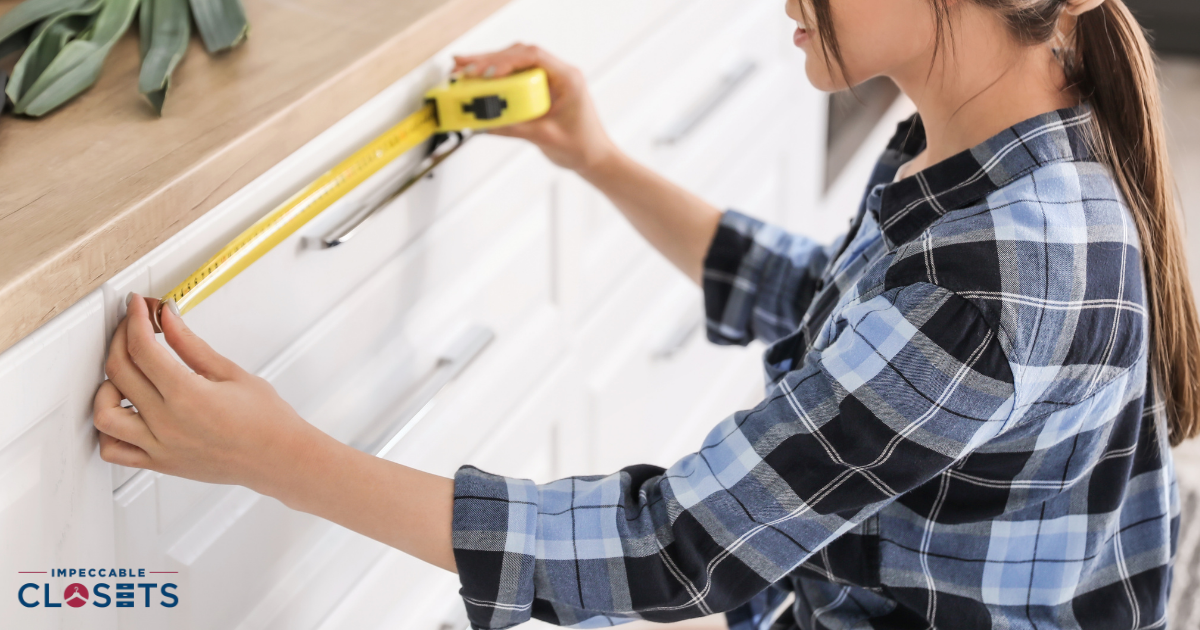
Before you buy or install kitchen pantry pull-out shelves, you need to measure carefully. A small mistake here can cause big problems later. Follow this step-by-step method to get it right the first time.
Step 1: Measure the Interior Depth
Open your pantry door and measure from the back wall to the inside edge. If your cabinet has a face frame, subtract about one inch from your total depth. This gives you the usable space for the shelf.
Step 2: Measure the Interior Width
Measure the inside width from side to side. Make sure to open the pantry doors fully. You’ll need extra room for the shelves to slide without hitting anything.
Step 3: Allow Room for the Slides
Most slides need about one-quarter to one-half inch of space on each side. Always check the product specs. If your shelves are too wide, they won’t glide smoothly.
Step 4: Measure the Height and Shelf Spacing
Think about what you plan to store. Tall items like cereal boxes need more space. Cans and spice jars need less. Measure the space between shelves and plan accordingly.
Quick FAQs
What depth works best for canned goods?
Most canned goods fit comfortably on shelves that are 12 to 15 inches deep.
What slide types should I consider?
- Roller slides: Budget-friendly but basic.
- Ball-bearing slides: Smoother and more durable.
- Soft-close slides: Ideal for kitchens, but check clearance requirements.
Measuring might feel tricky, but it’s easy with the right steps. These tips make sure your pull-out shelves for kitchen pantry spaces slide right in, work well, and last for years.
Shelf Size Guidelines
| Pantry Width | Slide Type | Max Shelf Width | Suggested Shelf Depth |
| 18 inches | Half-extension | 17 inches | 10 to 12 inches |
| 24 inches | Full-extension | 22 to 23 inches | 12 to 18 inches |
| 30–36 inches | Heavy-duty slides | 28 to 35 inches | 16 to 24 inches |
Use this chart to guide your decision when picking pull-out shelves for kitchen pantry cabinets. Just remember to measure carefully before buying or installing anything.
A proper fit means better sliding, longer shelf life, and smoother kitchen storage. When you pair the right shelf size with solid kitchen pantry organizers, you’ll make the most of every inch.
Materials and Slide Mechanisms
Not all kitchen pantry pull-out shelves are the same. The materials and slide types you choose make a big difference. They affect how the shelves look, how long they last, and how much they can hold.
Let’s compare the most common options.
Shelf Materials: What Works Best?
1. Wood Shelves
- Classic look that matches most kitchens
- Strong and long-lasting
- Can hold heavy items like cans and jars
- Slightly more expensive
2. Wire Organizers
- Lightweight and budget-friendly
- Easy to clean
- Great for light items like snacks or baking goods
- May not slide as smoothly under a heavy weight
3. Plastic Organizers
- Simple and affordable
- Good for shallow shelves or kid-friendly storage
- Less durable under heavy use
- Best for dry goods and light packaging
The right kitchen pantry organizers depend on your storage goals. Heavy-duty wooden drawers may be perfect for deep cabinets. Lightweight wire or plastic trays might work better for quick access.
Slide Types and How They Work
Your pull-out shelves need the right slides to move easily. Let’s look at the three most common types:
1. Roller Slides
- Basic option
- Less expensive
- Not ideal for heavy storage
- Moderate wear over time
2. Ball-Bearing Slides
- Strong and smooth movement
- Handles more weight
- Great for daily use
- Mid-range cost
3. Soft-Close Slides
- Prevents slamming
- Adds a luxury feel
- Ideal for high-end kitchens
- Slightly higher cost
Slide Weight Limits
- Roller slides: 50 to 75 lbs
- Ball-bearing: 75 to 100 lbs
- Heavy-duty soft-close: up to 200 lbs
Choose the slide that fits your needs. If you’re storing heavy items like cans, ball bearings, or soft-close slides are best. If you’re organizing snacks or spices, roller slides may be enough.
Matching the right shelf material with a reliable slide gives you the smoothest experience. This makes your pull-out shelves for the kitchen pantry stronger, quieter, and easier to use every day.
DIY vs Professional vs Kit Solutions
When planning to add kitchen pantry pull-out shelves, you have three main options. Each has pros and cons depending on your skills, budget, and time.
DIY Pull-Out Shelves
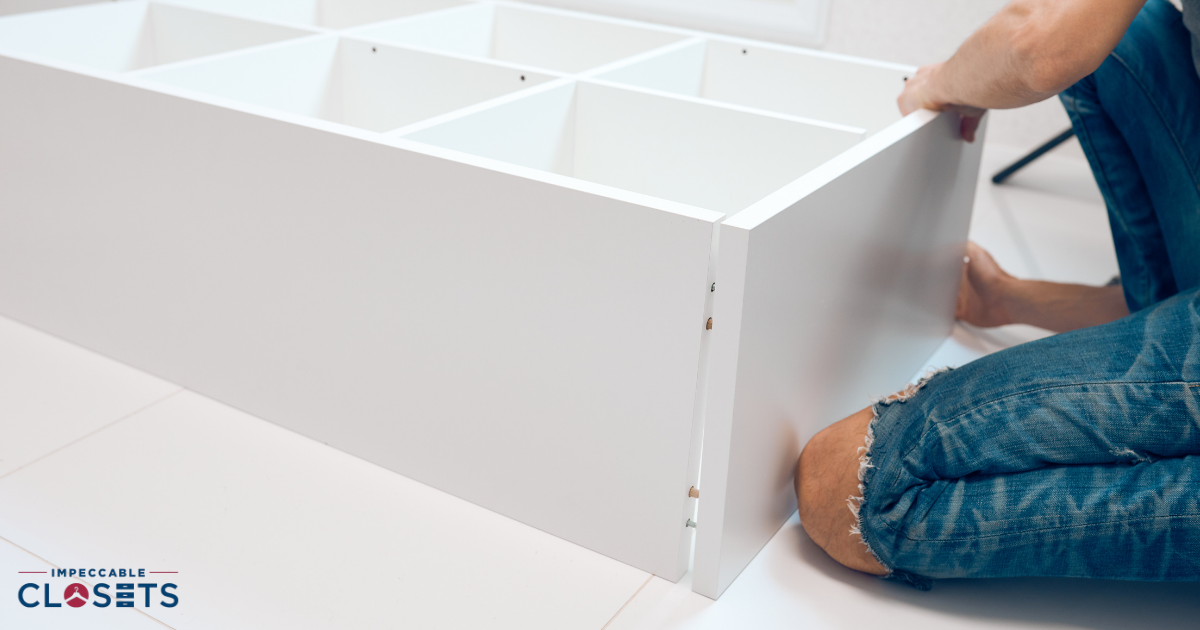
Doing it yourself can save money. But it takes the right tools, patience, and a bit of skill.
Tools and Materials You’ll Need
- Measuring tape
- Power drill
- Screws
- Wood boards or drawer kits
- Slide hardware
- Sandpaper and sealant
Basic Steps
- Measure your pantry cabinet carefully
- Cut boards to size
- Attach the slide hardware inside the cabinet
- Mount the shelf to the slides
- Test for smooth movement
This works best for small projects or homeowners who already enjoy woodworking. But DIY solutions are not always easy for beginners. And mistakes can lead to poor fit or damaged cabinets.
Kit-Based Pantry Shelves
These are plug-and-play. No cutting needed. They come with all parts and instructions.
Pros
- Easy to install
- Pre-sized to fit standard pantry sizes
- Affordable and quick
Cons
- May not fit custom or older cabinets
- Limited material choices
- Less flexibility in layout
Kits are great for light use or renters who need quick upgrades. For full redesigns or large pantry makeovers, they may fall short.
Professional Custom Solutions
This is the top-tier choice. Custom kitchen pantry organizers and shelves are built for your space, your needs, and your style.
What to Expect
- On-site consultation and exact measurements
- Tailored materials and finishes
- Built to match the rest of your kitchen
- Professional installation for long-term use
Estimated Cost Ranges
- Basic custom installs: $400 to $800 per cabinet
- Full pantry overhauls: $1,200 and up
- Lead times: 1 to 3 weeks on average
With pros like Impeccable Closets, you get more than just shelves. You get a storage system designed around how you live. Plus, expert craftsmanship ensures your pull-out shelves for the kitchen pantry work smoothly and look beautiful.
Each option has its place. DIY saves money. Kits save time. Custom work adds value. Choose the one that fits your goals, budget, and comfort level.
Organization Tips
Once your kitchen pantry pull-out shelves are in place, organizing them makes all the difference. With the right setup, you’ll find what you need faster and keep everything in order.
1. Spice Racks That Slide
Add a narrow pull-out just for spices. You can sort them by type or label them for easy grabbing. No more digging through cluttered baskets or top shelves.
2. Vertical Organizers for Cans
Use tall, deep shelves with dividers to stack canned goods upright. This gives you more space and better visibility, especially for small pantries.
3. Pull-Out Trays for Baking Supplies
Keep baking tools like measuring cups, flour jars, and mixers on a sturdy sliding tray. You can roll the whole shelf out, bake, and roll it back.
4. Sheet-Pan and Tray Storage
Install tall, narrow pull-outs to hold baking sheets, cutting boards, and trays upright. This method saves cabinet space and makes them easy to grab.
5. Snack Zones for Kids
Designate a lower shelf for snacks, lunchbox fillers, and drinks. Easy access makes it perfect for kids to reach on their own.
Common Pitfalls and Troubleshooting
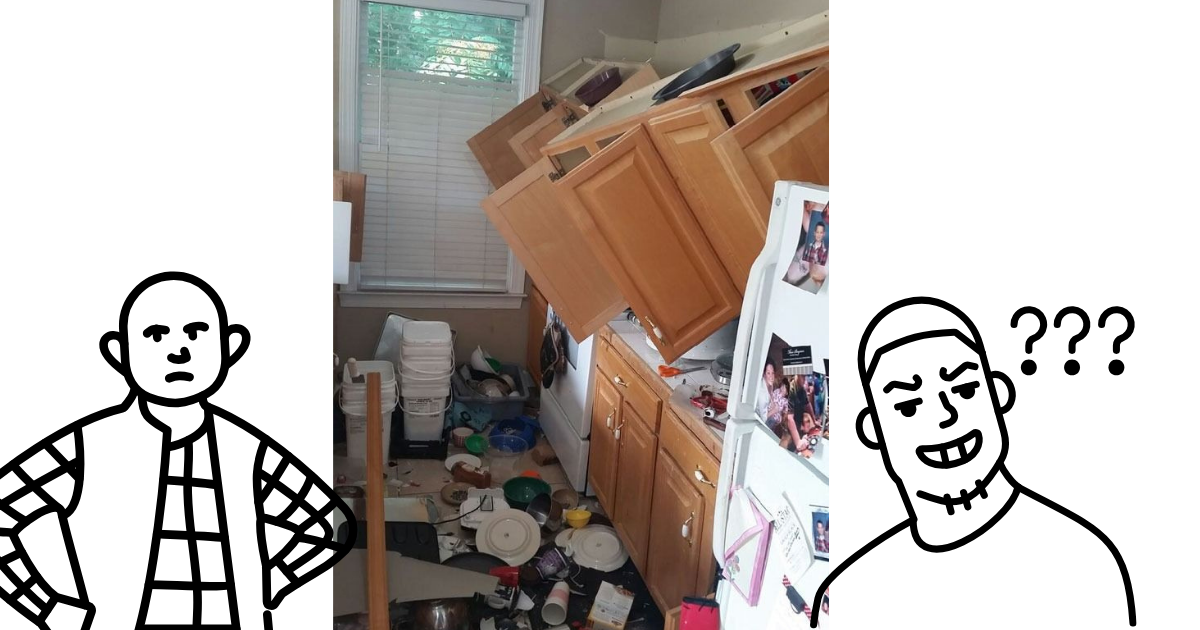
Even with good planning, mistakes can happen. Knowing what to avoid can save you time and money when installing kitchen pantry pull-out shelves.
1. Oversized Shelves That Jam
If your shelf is too wide, it won’t slide properly. It may rub against the cabinet sides or get stuck. Always allow for clearance space, especially if your pantry has a face frame.
Quick Tip
Measure your width twice. Subtract half an inch from each side to account for slide hardware.
2. Ignoring Slide Clearance
Some slides need more room than others. If you skip this step, your shelf won’t move at all. This is a common issue in narrow or older pantries.
Fix
Check the slide instructions before buying. Make sure your shelf and slide match your pantry’s space.
3. Using Cheap or Weak Slides
Low-quality slides often bend or sag over time. They may not support the weight of your items, especially canned goods or cookware.
Solution
Choose strong slides rated for at least 75 pounds. For heavier use, go with ball-bearing or soft-close types.
Proper measurements and strong parts make all the difference. Your pull-out shelves for the kitchen pantry should feel smooth and stable, not flimsy or tight. With the right prep, your shelves will last for years without problems.
Tailored Designs from Impeccable Closets
The right kitchen pantry pull-out shelves make a big difference. They help you stay organized, save time, and reduce stress. To get the best results, you need three things. Accurate measurements. Durable materials. A smooth, secure installation.
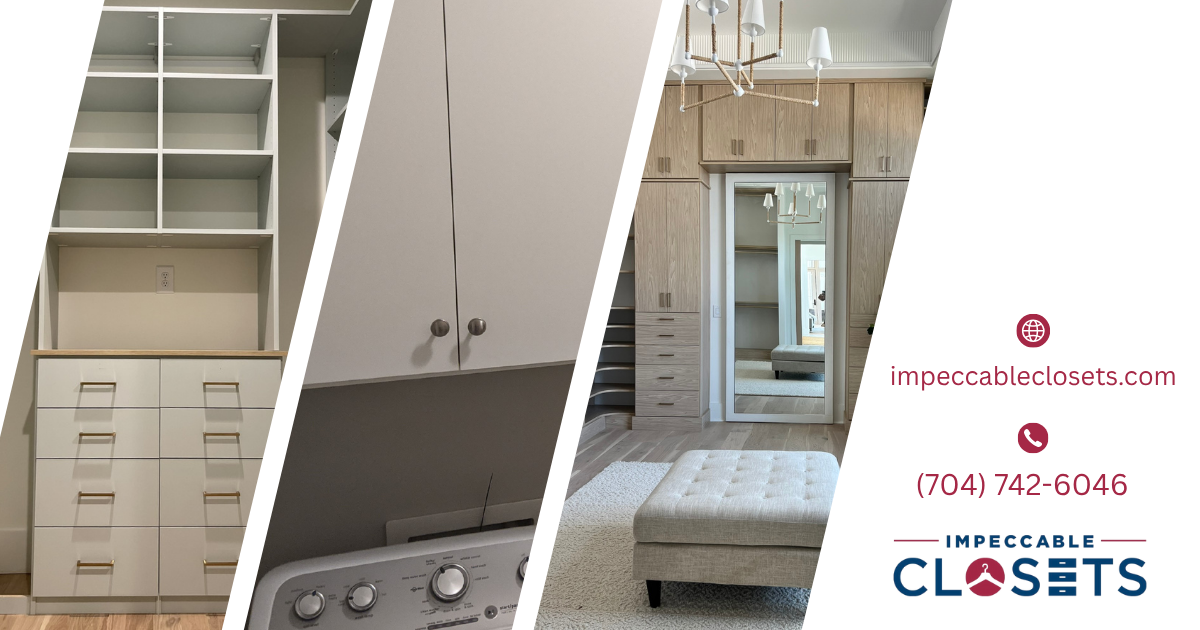
You do not need a bigger pantry. You just need smarter storage. With well-designed kitchen pantry organizers, you can use every inch of space without any hassle. At Impeccable Closets, we build pantry systems that fit your space and your lifestyle. We measure everything for accuracy. We show you 3D designs before we install. Then we finish the job with expert craftsmanship you can trust.
We offer:
- Custom kitchen pantry organizers built for real-life use
- 3D design previews before installation
- A wide range of finish and style options
- Expert measurement and professional installation
Want to see how a custom pantry can work in your kitchen? Contact our team today to schedule your personalized design consultation. We’ll help you turn pantry chaos into calm.